
Things to Do in Muscat in November
November weather, activities, events & insider tips
Shoulder Season · Good Value
November Weather in Muscat
Long-run averages for November
85°F (29°C)
High Temp
69°F (21°C)
Low Temp
0.3 inches (8 mm)
Rainfall
49%
Humidity
1
Rainy Days
6
Sunny-Day UV
⚠ Despite November being Muscat's cool season by local standards, midday sun remains intense at a UV index of 6 with little cloud cover. Heat exhaustion is a genuine risk on exposed wadi hikes and desert excursions if you skip sun protection and depart late in the morning. The dry 49 percent humidity masks fluid loss because sweat evaporates before you notice it. Drink constantly. Cover up.
Making the most of November in Muscat? Browse tours and activities in Muscat on GetYourGuide.
Is November Right for You?
Weigh the advantages and considerations before booking
Advantages
- + November marks the return of livable heat in Muscat after five months of summer that routinely cracks 39°C (102°F). The average high of 29°C (85°F) means you can stand outside at 2 PM without feeling like you are breathing through a wet towel. Wadis are still holding summer runoff, beaches are swimmable without scalding sand, and the mountain air on Jebel Akhdar drops cool enough for a light layer at night. This is the month Muscat remembers it is a coastal city and not a furnace.
- + The tourist wave that floods Muscat from December through February has not yet arrived. Major sites like the Sultan Qaboos Grand Mosque, the Royal Opera House plaza, and the corniche at Mutrah are noticeably quieter than they will be six weeks later. You can walk through Mutrah Souq on a weekday morning and hear the shopkeepers talking instead of jostling past cruise-ship groups. Accommodation availability is still generous, and you are not competing with half of Europe for wadi tour slots.
- + Oman National Day falls on November 18, and the celebrations turn Muscat into something you will not see any other month. It is one of the few moments when Muscat's reserved civic character cracks open and the national pride becomes audible.
- + Humidity sits at a manageable 49 percent, a world away from the suffocating 61 percent of August. The air in November carries a dry clarity that makes the Hajar Mountains visible from the Mutrah corniche in a way the summer haze never allows. Mornings and evenings feel pleasant, with lows around 21°C (69°F) that let you walk the Al Alam Palace waterfront or hike the lower wadis without drenching your shirt.
Considerations
- − Midday heat still bites. Twenty-nine degrees Celsius sounds comfortable on paper. But direct sun at noon in a country with minimal cloud cover and a UV index of 6 will drain you faster than you expect. The reflected glare off Muscat's white limestone buildings and the Gulf of Oman compounds the problem. Plan outdoor activities for before 10 AM or after 3 PM, and do not underestimate the sun just because it is not summer.
- − Oman remains one of the more expensive destinations in the Gulf region for travelers, and November marks the start of price escalation toward the December-February peak. Accommodation rates are already climbing above their summer lows, and popular day-trip routes to Nizwa and the wadis fill earlier in the week than they did in October. You are paying shoulder-season prices for weather that is good but not yet the postcard-perfect 25°C (77°F) days of January.
- − Muscat after dark stays quiet by regional standards. Alcohol is restricted to licensed hotel venues, there are no independent bars or clubs in the Western sense, and the city's nightlife is essentially hotel lounges, shisha cafes, and the Mutrah corniche stroll. If you are coming from Dubai expecting a similar after-hours scene, recalibrate. Muscat's appeal is not what happens at midnight. It is what happens at sunrise in a wadi 90 km (56 miles) south of the city.
Settled on November? Compare hotel prices in Muscat for your dates on Trip.com.
Best Activities in November
Top things to do during your visit
November in Muscat arrives like a deep exhale after the long Gulf summer. Daytime temperatures settle to highs around 85°F (29°C) and lows near 69°F (21°C), a drop sharp enough from the punishing months of May through September that the city physically reopens. Corniche walkers reappear at dusk. The fishing fleet at Muttrah works longer hours under a sky that stays pale gold from mid-afternoon until a salmon-colored sunset spreads behind the Al Hajar Mountains. Rain is nearly absent, with only about 0.3 inches expected across the whole month, so planning around weather is almost unnecessary. The air carries the scent of frankincense drifting from the souq stalls and the salt of the Gulf of Oman, undiluted by the clammy humidity that can make summer feel suffocating. For travelers arriving in Muscat this month, the city's dual personality comes into focus. Mornings are cool enough to hike the wadis and explore Oman's mountain fortresses without the dehydration risk of summer, and the interior desert cools enough after dark that an overnight camp under clear skies is comfortable rather than performative. Restaurants along the waterfront in Qurum and Shatti Al Qurum fill their terraces again, serving slow-grilled kingfish and shuwa lamb that has been spiced with cumin, coriander, and dried lime, then buried in an underground pit for hours. Muscat's nightlife leans quiet by regional standards, centered on hotel lounges and rooftop bars where the evening breeze off the Gulf smells faintly of brine and diesel from the port. But the atmosphere is relaxed and sociable. The beaches at Qurum and Yiti lose their summer emptiness. Families spread blankets on the sand at sundown, and the water temperature remains warm enough to swim without a second thought. Muscat is among the safest capitals in the Middle East, and the city's low-key hospitality, where strangers are offered cardamom-scented Omani coffee and dates without preamble, intensifies as the social season picks up with the cooler weather.

Private Tour to Wadi Bani Khalid & Wahiba Sand Desert with Sunset
private_tourThis private excursion drives southeast from Muscat into the Eastern Hajar range, dropping into Wadi Bani Khalid, where turquoise pools sit trapped between polished limestone walls and the sound of water trickling over rock fills a canyon that otherwise holds perfect silence. From there, the route continues to the Wahiba Sands (Sharqiya Sands), where the dunes shift from amber to copper as the sun lowers, and the day finishes with a sunset stop where the sand radiates warmth underfoot and the horizon line is nothing but sculpted ridges against a violet sky. In November, the desert is no longer dangerous to linger in. Afternoon temperatures in the sands sit comfortably in the low 80s°F rather than the lethal highs of summer, making it possible to walk barefoot across the dunes without burning skin.
The only way to experience both a mountain wadi swim and a desert sunset in a single day without self-driving the challenging inland roads.
Insider tip: Bring water shoes with actual grip for Wadi Bani Khalid. The rocks between the first and second pools are slick with algae, and the wade is thigh-deep in places. Locals skip the crowded first pool entirely and head upstream.
This month: November's cooler desert temperatures (highs around 29°C vs. 39°C in summer) make the Wahiba Sands portion of this trip physically comfortable rather than endurance-focused. Walking the dunes at sunset is pleasant rather than punishing.

Private Full-Day Wadi Shab Adventure and Bimmah Sinkhole Tour
day_tripWadi Shab is the most dramatic slot canyon accessible from Muscat, a place where you cross a turquoise river by boat, then hike along a trail carved into cliff faces above date palms before wading and swimming through pools hemmed by walls so narrow the sky becomes a sliver. The final reward is a waterfall inside a cave, reached by swimming through a gap in the rock where the water is cool and the echo of dripping amplifies into something almost musical. On the way back toward Muscat, the tour stops at Bimmah Sinkhole, a collapsed limestone crater filled with electric-blue water that feels almost warm and smells faintly of mineral springs, where small fish nibble at your ankles if you hold still.
Wadi Shab's combination of hiking, swimming, and canyoneering into a hidden waterfall cave is singular in the Arabian Peninsula.
Insider tip: Wear quick-dry clothing for the entire day, not just the swim sections. The wadi crossing at the start soaks you to the waist, and cotton stays heavy for hours in the canyon shade. Bring a dry bag for your phone because the chest-deep swim to the waterfall cave is non-negotiable.

Private Historical Tour - Nizwa Fort - Nizwa Souq - Bahla Fort - Jabreen Castle
culturalThis route south from Muscat into Oman's interior traces the spine of the country's history. Nizwa Fort, a massive seventeenth-century tower built with walls thick enough to muffle the outside world, smells of old plaster and warm stone inside, and its rooftop gives a panoramic view of the date-palm oasis and the mountains beyond. The Nizwa Souq, just outside the fort walls, is a labyrinth of copper, silver, and frankincense sellers where the clatter of metalworking and the sharp green scent of fresh limes fill the narrow corridors. From there, the tour continues to Bahla Fort, a large UNESCO-listed fortification of raw mudbrick that feels ancient in a way Nizwa's polished restoration does not, and finishes at Jabreen Castle, a seventeenth-century palace whose painted ceilings in the upper rooms, saturated with geometric patterns in indigo and ochre, are among the finest decorative arts in Oman.
Four centuries of Omani military and courtly architecture in a single day, from the brute utility of Bahla's mudbrick to the refined artistry of Jabreen's painted ceilings.
Insider tip: At Nizwa Souq, the Friday livestock auction (cattle and goats, early morning) is a spectacle worth rearranging the itinerary for. The sound of auctioneers chanting bids in rapid Arabic while handlers parade animals in a dust-hazed ring is unlike any market experience elsewhere in the Gulf.

Mountains & Fortresses, Private Day Tour to Nizwa & Jebel Akhdar
guided_experienceThis tour pairs Nizwa's fort and souq with an ascent to Jebel Akhdar, the Green Mountain, which rises to over 2,000 meters and supports terraced rose gardens, walnut orchards, and pomegranate trees that exist nowhere else in Oman's arid lowlands. The drive up requires a 4x4 and navigates a military-checkpoint road that climbs through hairpin switchbacks, each turn revealing another layer of striated rock face in rust, cream, and charcoal. At the top, the air is noticeably cooler than Muscat and carries the scent of wild herbs, and the views from the canyon rim drop sheer into a gorge so deep the villages at the bottom look like clusters of dice.
Jebel Akhdar's altitude creates a microclimate that makes Oman's interior feel like a different country, with terraced agriculture and cool mountain air less than two hours from the Gulf coast.
Insider tip: The terraced villages of Al Ayn and Ash Shurayjah on Jebel Akhdar are connected by a walking path along the canyon rim. Most tour groups stop only at the viewpoint. Ask your guide for time at Al Ayn, where the abandoned houses and still-tended rose terraces give a sense of the mountain's agricultural life that the parking-lot overlook cannot.
This month: November sits in the harvest tail for Jebel Akhdar's pomegranate season. The terraces may still have late fruit on the trees, and the mountain's walnut orchards have shed their leaves, opening up canyon views that are partially obscured by foliage in spring.

Nizwa Heritage & Jebel Shams Canyon, Private Tour from Muscat
adventureThis route trades Jebel Akhdar's green terraces for Jebel Shams, Oman's highest peak at just over 3,000 meters, and its canyon, sometimes called the Grand Canyon of Arabia, a comparison that undersells how intimate and sheer the experience is. The Balcony Walk, a narrow trail etched into the cliff face, traverses the canyon wall with a drop of over 1,000 meters to the wadi floor below, and the silence at that altitude is so complete you can hear the wind shifting direction before you feel it. The rock faces are banded in cream and amber, and small abandoned villages cling to improbable ledges along the trail. The day begins with Nizwa's heritage sites before climbing into the Western Hajar range toward the summit.
The Balcony Walk on Jebel Shams is the most dramatic single trail in Oman, a cliff-edge path above a canyon that dwarfs anything else on the Arabian Peninsula.
Insider tip: The Balcony Walk is exposed and unshaded for its entire length. Even in November, the sun at altitude is intense. Carry more water than you think you need, and wear a hat with a brim. The trail surface is loose gravel in sections, so proper hiking shoes with ankle support matter more here than at the wadis.
This month: November's cooler temperatures at Jebel Shams's altitude (often below 20°C at the trailhead) make the Balcony Walk far more manageable than in the summer months, when exposed sections become dangerously hot.

Nizwa Fort-Nizwa Souq-Birkat Al Mouz-Jebel Akhdar - Private Full Day Tour
day_tripThis full-day route through Oman's interior combines Nizwa Fort and the Nizwa Souq with Birkat Al Mouz, a partially abandoned village at the base of Jebel Akhdar where the crumbling mudbrick houses are slowly being reclaimed by the date-palm falaj irrigation channels that still flow with cool, clear water. Walking through the empty upper village, where doorways open onto rooms with collapsed ceilings and walls stained by decades of cooking smoke, you hear only water running in the ancient channels and the rustle of palm fronds overhead. From there, the tour ascends Jebel Akhdar by 4x4 for the canyon-rim views and terraced villages, rounding out a day that moves from medieval urban Oman to its abandoned agricultural settlements to its mountain highlands.
Birkat Al Mouz's abandoned falaj village is the most atmospheric ruin in Oman, and pairing it with Nizwa and Jebel Akhdar compresses three distinct landscapes into a single day.
Insider tip: At Birkat Al Mouz, follow the falaj channels uphill past the last standing houses to where the irrigation system emerges from the mountain. The engineered stonework is centuries old and still functioning, and you will likely be entirely alone. The restored mosque at the village entrance is photogenic but the real character is in the unrestored upper ruins.
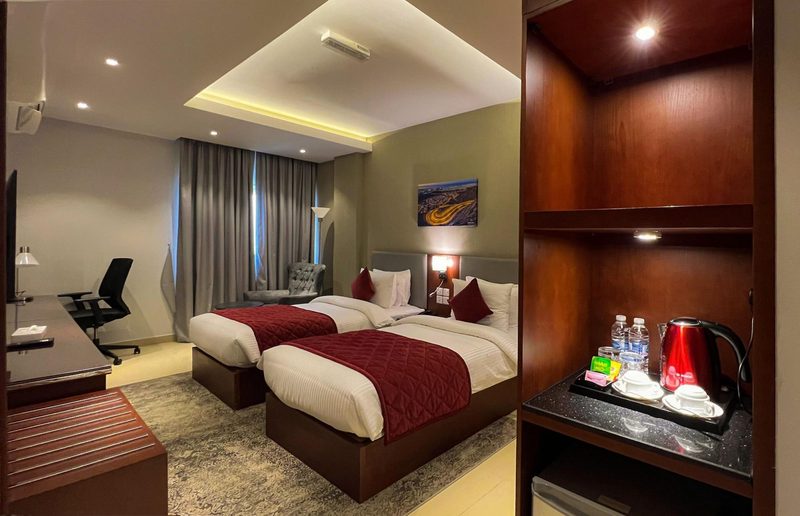
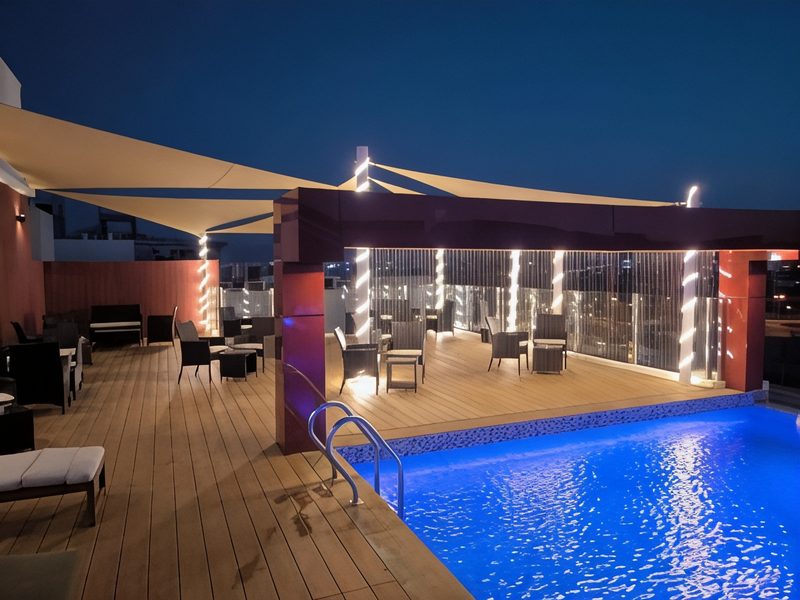
Where to Stay in Muscat in November
Hand-picked hotels across price tiers for November travellers.
Public Holidays in November
Dates that affect opening hours, transport and crowds
National Day
Observed nationwide as a public holiday. Date calculated from the national holiday calendar.
National Day
Observed nationwide as a public holiday. Date calculated from the national holiday calendar.
National Day
Observed nationwide as a public holiday. Date calculated from the national holiday calendar.
National Day
Observed nationwide as a public holiday. Date calculated from the national holiday calendar.
National Day
Observed nationwide as a public holiday. Date calculated from the national holiday calendar.
National Day
Observed nationwide as a public holiday. Date calculated from the national holiday calendar.
Packing Checklist
Bookmark this page — your progress is saved between visits
Need the full list with shopping links?
Climate-specific gear, brand recommendations, and what to leave at home.
View Muscat Packing List →Essential Tips
Insider knowledge and common pitfalls to avoid
Insider Knowledge
Friday morning in Muscat is the weekly pause. Most shops, government offices, and attractions are closed until after Friday prayers, which finish around 1 PM. The Grand Mosque is closed to non-Muslim visitors entirely on Fridays. Use Friday mornings for the fish market at Mutrah, which operates regardless. Or head to beach time at Yiti or Qantab, the two cove beaches east of old Muscat where the cliffs block the wind and the sand empties out because everyone else is at prayers. Plan ahead.
The Mutrah Souq frankincense you see stacked in bags at the entrance stalls is the lowest grade. Walk deeper into the souq, past the tourist zone, to the older merchants near the back who sell Hojari frankincense from Dhofar. This is the white-green resin that burns clean with a citrus note instead of the acrid smoke of the cheaper stuff. You will know you have gone far enough when the stalls stop displaying prices and the shopkeeper offers you coffee instead of a sales pitch. Keep walking.
Muscat's restaurants tend to peak between 8 PM and 10 PM, but the real eating happens earlier and later. The Omani families grilling on the corniche at Qurum Beach after 9 PM on Thursday and Friday nights are cooking shuwa-spiced meats and fresh hammour that outclass most restaurant meals. The Sri Lankan and Indian canteens in the Ruwi district serve thali lunches that Muscat's South Asian workforce lines up for, and the quality is startlingly high for the price. Ruwi is the part of Muscat the tourist trail skips. It is better for it. Go there.
Rent a car if you can drive confidently. Muscat's road infrastructure is excellent, signage is in Arabic and English, and the highways to Nizwa, the wadis, and Sur are fast and well-maintained. Organised tours charge a significant premium for what is essentially a driver and a vehicle on a straightforward route. The one exception is Jebel Akhdar, where you need a 4WD and the switchback road is nerve-wracking if you have not driven mountain passes before. Drive yourself otherwise.
Avoid These Mistakes
Underestimating distances. Muscat sprawls along 60 km (37 miles) of coastline with no real centre. The Grand Mosque, Mutrah Souq, the Royal Opera House, and Qurum Beach are all in different parts of the city, separated by 15 to 25 minutes of driving each. Walking between them is not practical. Budget for taxis, ride-hailing apps, or a rental car from the start. Do not wing it.
Scheduling wadi hikes at midday. Even in November, the sun between 11 AM and 3 PM in an exposed wadi canyon will exhaust you faster than you planned. The experienced Omani guides leave at 7 AM for a reason. Start early. Bring at least 2 litres (half a gallon) of water per person. Be back at the car before the heat peaks. Beat the sun.
Assuming Muscat operates like Dubai. Oman's capital is deliberately slower, quieter, and more conservative than its neighbour across the border. There are no towering mall complexes competing for attention. No brunch-and-champagne culture. The pace of service everywhere from restaurants to tour desks is unhurried in a way that will frustrate you if you arrive expecting Dubai-speed efficiency. Adjust your expectations. Muscat rewards you with something Dubai traded away decades ago: a sense of actual place. Slow down.
Short on time? See day trips around Muscat on GetYourGuide.
Ready to plan your trip to Muscat?
Now that you've got the research covered, here's where to go next.
Explore More Activities in Muscat
Didn't see anything interesting yet?
Browse Viator's full catalog of tours, day trips, food experiences, and private guides in Muscat.
See All Muscat Tours on Viator